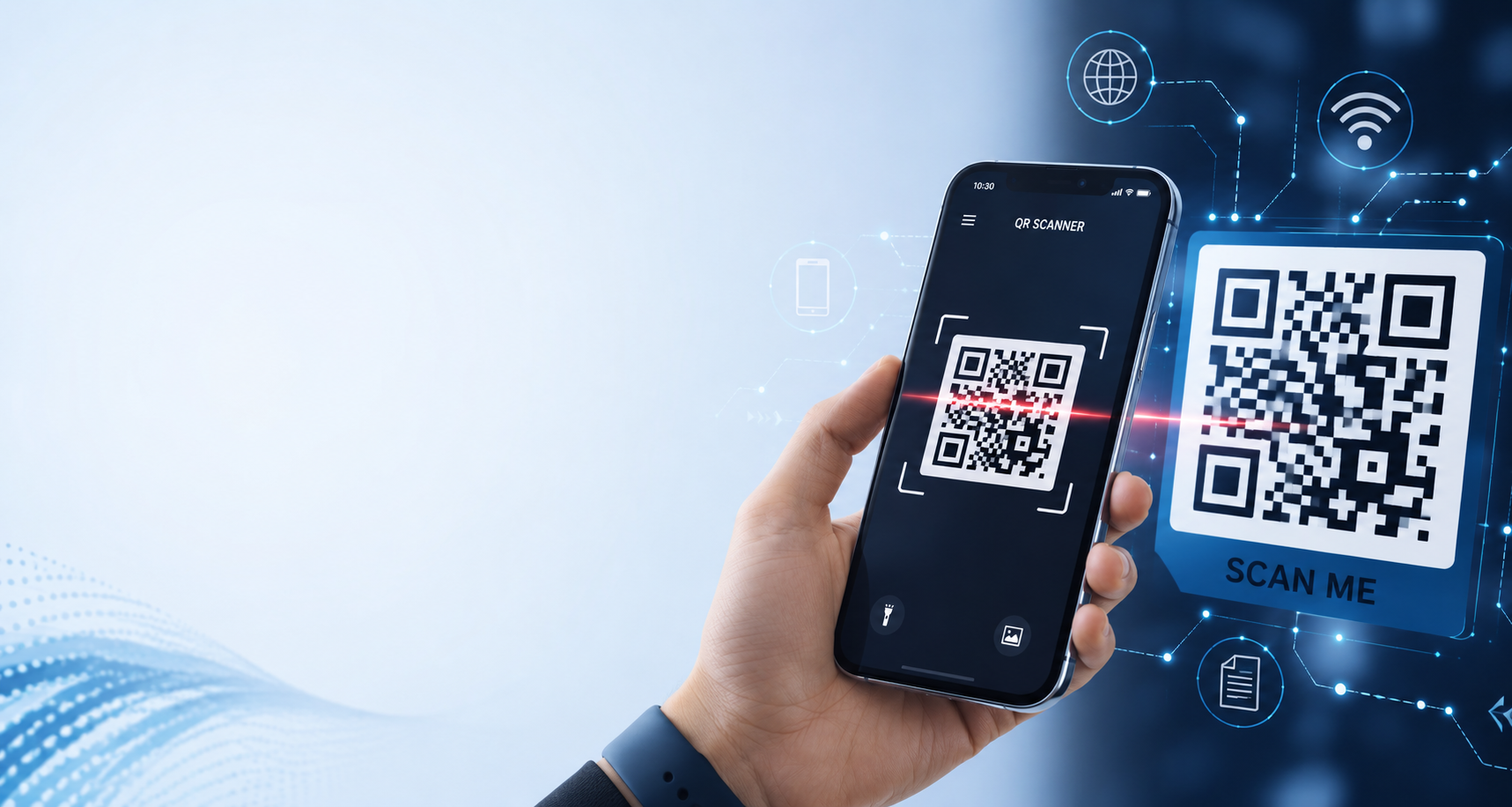
Learn how QR codes work, their history, different types of scanners, practical applications across industries, security tips, and future trends.
In today's fast-paced digital world, QR readers have become an indispensable tool for bridging the physical and digital realms. From scanning menus at restaurants to accessing event tickets, these handy applications simplify countless everyday tasks. This comprehensive guide explores everything you need to know about QR readers, their evolution, functionality, and best practices for optimal use.
What Are QR Codes and QR Readers?
Understanding QR Codes
QR codes, short for Quick Response codes, are two-dimensional barcodes that store information in a square grid pattern. Unlike traditional barcodes that hold limited data, QR codes can encode URLs, text, contact details, Wi-Fi passwords, and even multimedia content. Invented in 1994 by Denso Wave, a subsidiary of Toyota, QR codes were initially designed for tracking automotive parts but quickly gained popularity worldwide due to their versatility and speed.
A standard QR code consists of black squares arranged on a white background, with positioning markers in three corners that help scanners detect and read the code from any angle. This omnidirectional readability makes them far more user-friendly than linear barcodes.
How QR Readers Function
A QR reader is software or hardware designed to capture and decode the information embedded in a QR code using a device's camera. Modern smartphones come equipped with built-in QR scanning capabilities in their default camera apps, but dedicated QR reader applications offer enhanced features like batch scanning, history logs, and integration with other services.
When you point your camera at a QR code, the reader analyzes the pattern, interprets the data matrix, and executes the encoded action—whether opening a website, adding a calendar event, or initiating a payment. The process typically takes less than a second, making it incredibly efficient.
The Evolution of QR Technology
QR codes remained niche until the smartphone boom in the late 2000s. With widespread camera-equipped mobile devices, marketers began embedding QR codes in advertisements, product packaging, and signage. The COVID-19 pandemic accelerated adoption further, as contactless interactions became essential for health and safety.
Today, QR codes power digital payments, augmented reality experiences, and supply chain management. Innovations like dynamic QR codes allow real-time updates to the linked content without regenerating the code itself.
Types of QR Readers Available Today
Mobile Applications
The most common QR readers are free mobile apps available on both Android and iOS platforms. Popular options include apps that not only scan but also generate codes, offering features like:
- Real-time scanning with flashlight support for low-light conditions
- Automatic URL detection and preview
- Secure scanning that warns against malicious links
- Integration with social media and productivity tools
Many default camera apps on recent smartphones now include native QR functionality, reducing the need for third-party downloads.
Web-Based and Desktop QR Readers
For users who prefer desktop environments, online QR readers allow scanning via webcam or uploaded images. These browser-based tools are perfect for professionals handling large volumes of codes or those working on computers without mobile access. Desktop software versions provide advanced analytics and batch processing capabilities.
Hardware Scanners
In retail, logistics, and industrial settings, dedicated handheld QR scanners offer superior speed and durability. These devices often connect via Bluetooth or USB and can withstand harsh environments where smartphones might fail.
Practical Applications and Benefits of QR Readers
QR readers have transformed multiple industries:
Retail and Marketing: Brands use QR codes on packaging for product information, customer reviews, and promotional offers. Scanning drives engagement and provides valuable analytics on consumer behavior.
Healthcare: Hospitals employ QR codes for patient identification, medication tracking, and appointment scheduling, reducing errors and paperwork.
Education and Events: Attendees scan codes for digital tickets, session materials, or feedback forms. In classrooms, QR codes link to supplementary learning resources.
Personal Use: Share contact information instantly via vCard QR codes, connect to Wi-Fi networks without typing passwords, or store digital business cards.
The benefits are clear: convenience, speed, cost-effectiveness, and enhanced user experience. QR technology minimizes typing errors and supports eco-friendly paperless solutions.
Top Tips for Choosing the Right QR Reader
When selecting a QR reader, consider these factors:
Security Features
Opt for apps with built-in malware detection and URL safety checks. Reputable readers will alert you before visiting potentially harmful sites.
User Interface and Speed
A clean, intuitive interface with fast processing is essential. Look for apps that support offline functionality and multiple languages.
Additional Capabilities
Advanced readers offer QR code generation, customization (colors, logos), analytics for created codes, and export options. Some integrate with password managers or cryptocurrency wallets.
Privacy Considerations
Review app permissions carefully. The best QR readers request only necessary access and maintain transparent data policies.
Security Concerns and Best Practices
While QR codes are generally safe, risks exist. Malicious codes can lead to phishing sites or malware downloads. Always:
- Verify the source before scanning
- Use updated reader apps with security patches
- Avoid scanning codes from untrusted locations
- Enable two-factor authentication for linked accounts
For creators, use HTTPS links and regularly monitor dynamic QR code performance to prevent abuse.
How to Create Your Own Effective QR Codes
Creating QR codes is straightforward with free online generators. Key steps include:
- Choose reliable generator tools that support error correction levels
- Select the appropriate data type (URL, text, email, etc.)
- Customize design for branding while maintaining scannability
- Test across different devices and lighting conditions
- Track usage if using dynamic codes
Higher error correction allows codes to remain readable even when partially damaged or obscured.
The Future of QR Readers and Codes
As technology advances, QR codes are evolving with new standards like SQRC (Secure QR Code) for encrypted data and integration with NFC and augmented reality. Expect greater adoption in smart cities, vehicle identification, and personalized marketing.
Artificial intelligence may soon enhance QR readers with contextual understanding, suggesting actions based on scanned content. Sustainability efforts could drive even more paperless applications across global supply chains.