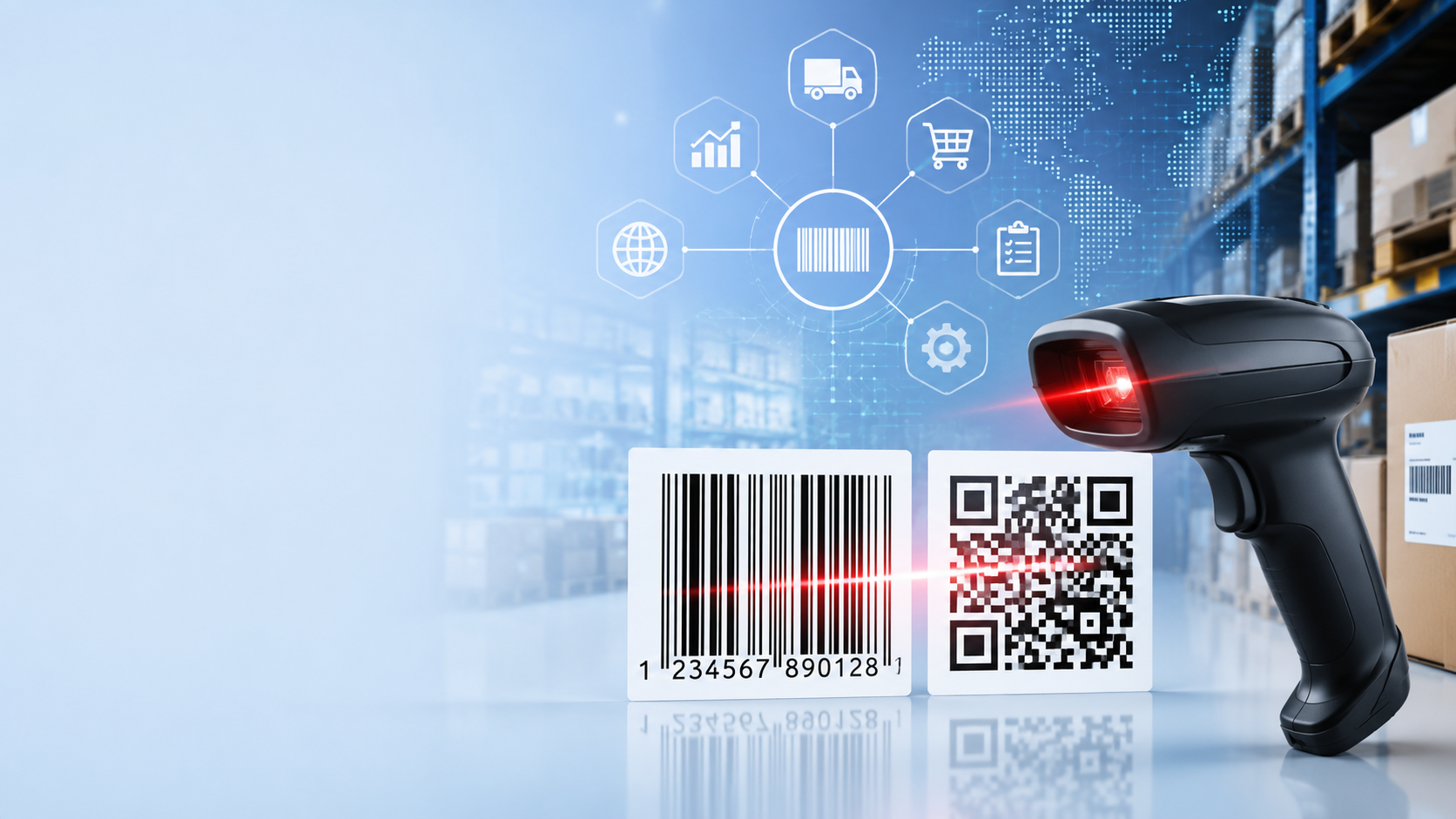
Learn how barcode generation works, explore the differences between 1D and 2D barcodes, discover the best tools and software, and follow practical steps and best practices to create reliable barcodes for retail, logistics, healthcare, and other industries.
Barcodes are optical representations of data that machines can read quickly and accurately. They encode information such as product identifiers, prices, serial numbers, or URLs into patterns of lines, spaces, or dots. First introduced in the 1970s, barcodes revolutionised supply chains by replacing manual data entry with instant scanning.
Today, generating barcodes is simpler than ever thanks to digital tools. Businesses use them to improve efficiency, minimize human error, and enhance traceability. For example, in e-commerce, a well-generated barcode helps track shipments from warehouse to customer doorstep. In libraries or hospitals, they ensure quick access to records without mistakes.
The process of barcode generation involves converting data into a visual format that adheres to specific standards. These standards ensure compatibility with scanners worldwide. Without proper generation, barcodes may fail to scan, leading to operational delays and customer frustration.
Types of Barcodes: Choosing the Right One
Not all barcodes are created equal. Selecting the appropriate type depends on your data needs, printing method, and scanning environment.
1D Barcodes: Linear and Traditional
One-dimensional (1D) barcodes consist of vertical lines and spaces of varying widths. The most common is the UPC (Universal Product Code), widely used in retail for groceries and consumer goods. Code 39 and Code 128 are popular for industrial applications because they support alphanumeric characters.
1D barcodes are straightforward to generate and print but have limited data capacity—typically up to 20-50 characters. They work best when space is not a constraint and scanners are readily available.
2D Barcodes: Compact and Data-Rich
Two-dimensional (2D) barcodes, such as QR codes, Data Matrix, and PDF417, store information both horizontally and vertically. A single QR code can hold thousands of characters, including links, contact details, or even small images.
QR codes, in particular, have exploded in popularity due to smartphone compatibility. Generating a QR code for a website URL allows customers to access information instantly by scanning with their phones. Data Matrix codes excel in small spaces, making them ideal for electronics and medical devices.
When deciding between 1D and 2D, consider factors like data volume, scanning distance, and durability. 2D barcodes are more error-resistant because they include built-in redundancy.
Benefits of Generating Your Own Barcodes
Creating custom barcodes offers significant advantages over relying on pre-printed labels. First, it provides full control over data. You can update product information dynamically without waiting for suppliers.
Cost savings are another major perk. Bulk-generating barcodes in-house reduces dependency on external vendors. Small businesses benefit especially, as free or low-cost tools eliminate recurring expenses.
Accuracy improves dramatically. Automated generation minimizes typographical errors that plague manual labeling. In logistics, this translates to fewer shipment mistakes and faster processing times.
Customization is also key. You can incorporate company logos, colors, or specific sizes tailored to packaging. Modern generators allow batch processing, enabling hundreds of unique barcodes in minutes.
Security features, such as encryption in advanced 2D codes, protect sensitive data. For pharmaceuticals, serialized barcodes help combat counterfeiting by ensuring each item has a unique identifier.
Tools and Software for Barcode Generation
A variety of tools exist for generating barcodes, ranging from simple online solutions to powerful programming libraries.
Online Barcode Generators
Free web-based tools like Barcode Generator websites allow quick creation without installation. Users input data, select type, and download images in PNG, SVG, or EPS formats. These are perfect for occasional needs or testing.
Popular options support bulk generation and customization options like color, size, and error correction levels for QR codes.
Desktop Software Solutions
Programs like Microsoft Excel with add-ons, or dedicated software such as Barcode Studio, offer more control. They integrate with databases, allowing automatic barcode creation from spreadsheets. Professional versions include label design features for printing directly onto stickers or tags.
Programming Libraries and APIs
Developers prefer libraries like Python's python-barcode or qrcode module. These enable programmatic generation within applications. For example, integrating barcode creation into an inventory system automates the entire workflow.
JavaScript libraries work well for web apps, while Java or .NET options suit enterprise environments. Cloud APIs provide scalable solutions for high-volume needs, handling generation on remote servers.
Step-by-Step Guide to Generating Barcodes
Creating barcodes follows a consistent process regardless of the tool.
- Define Your Data: Decide what information the barcode will encode—product ID, URL, or batch number.
- Choose Barcode Type: Match the type to your requirements. Use QR for marketing and Code 128 for logistics.
- Select a Generator Tool: Open your chosen online tool, software, or code editor.
- Input Parameters: Enter data, adjust settings like height, width, and quiet zones (blank space around the barcode for better scanning).
- Generate and Preview: Create the barcode and verify it with a scanner app or physical device.
- Export and Print: Download in high-resolution format. For printing, use thermal printers or laser printers with appropriate labels. Test scans under real conditions.
- Integrate into Workflow: Embed barcodes into labels, packaging, or digital systems.
For bulk operations, use templates or scripts to process multiple entries simultaneously. Always maintain a database of generated codes to avoid duplicates.
Best Practices for Effective Barcode Design
To ensure reliability, follow industry standards. Maintain minimum quiet zones and avoid distorting the pattern. Test barcodes at different angles and lighting conditions.
Choose high-contrast colors—black on white works best. Avoid glossy surfaces that cause glare during scanning. For long-term durability, especially in warehouses, laminate labels or use synthetic materials.
Regularly audit your barcode system. Replace damaged codes promptly. When generating for international use, comply with GS1 standards for global interoperability.
Applications Across Industries
Barcodes power diverse sectors. Retail uses them for checkout and stock management. Manufacturing tracks components throughout assembly lines. Healthcare employs them for patient identification and medication verification, reducing errors.
In agriculture, barcodes monitor produce from farm to table. Event organizers generate QR codes for tickets, enabling contactless entry. Even personal use cases, like organizing home libraries or wine collections, benefit from custom barcodes.
Common Challenges and How to Overcome Them
Low-quality scans often result from poor generation or printing. Solution: Use vector formats like SVG for scalability. Environmental factors like dirt or damage require robust 2D codes with higher error correction.
Data overload in small spaces calls for 2D formats. Integration issues with legacy systems may need middleware or API bridges.
The Future of Barcode Technology
Emerging trends include dynamic barcodes that update in real-time via cloud links. Augmented reality integration could overlay digital information when scanned. Blockchain-enhanced barcodes promise unbreakable traceability for supply chains.
As IoT grows, smart barcodes will communicate with sensors for automated inventory updates. Despite new technologies like RFID, traditional barcodes remain cost-effective and widely adopted.
Generating barcodes continues to evolve, but the core principles of clarity, compatibility, and accuracy endure. By mastering these techniques, individuals and businesses can harness the full potential of this simple yet powerful technology.